
Menopause affects every woman differently. While some experience only mild symptoms, others struggle with hot flashes, night sweats, insomnia, headaches, anxiety, joint pain, digestive changes, brain fog, or unexplained fatigue. These symptoms aren’t “just part of getting older”—they’re often the result of hormonal changes affecting tissues throughout the body. Learn more about menopause relief options in Calgary.
As a Doctor of Acupuncture with many years of experience treating women through every stage of menopause, my goal is to help you understand what’s happening, explore the latest research, and discover evidence-informed treatment options that can help you feel like yourself again.
What is Menopause?
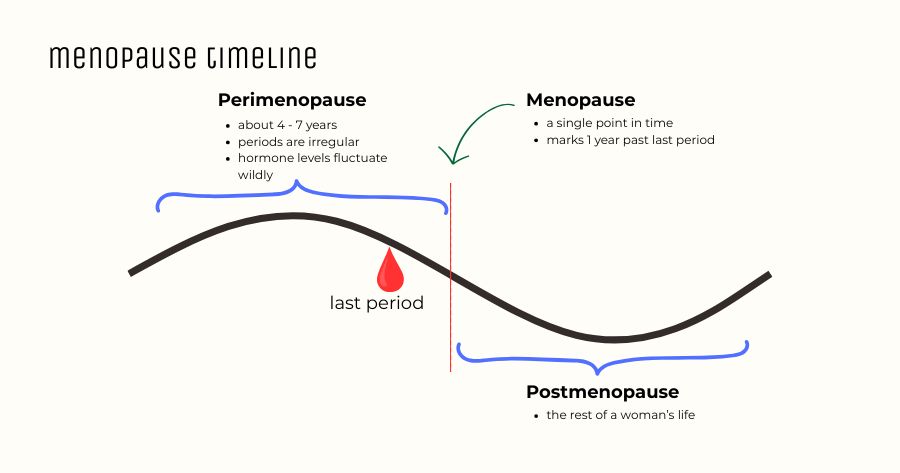
Menopause is part of a natural biological process marking the end of a woman’s reproductive years. A woman has officially reached menopause when she has not had a period for 12 continuous months. Technically, menopause is just a single day in a woman’s life; marking the 1 year anniversary of the end of the last period. It typically occurs between the ages of 45 and 55, with the average age being around 51.
Perimenopause
The transition to menopause is often gradual and can span several years. This period known as perimenopause. During this time, hormone levels change unpredictably, leading to irregular menstrual cycles and many other symptoms. It’s a neuroendocrine rollercoaster driven by aging ovaries and a brain that’s trying to compensate.
As the ovaries age and the number of viable follicles drops the brain produces hormones that stimulate the ovaries trying to get the remaining follicles to develop. Sometimes it works, and ovulation and a normal period occurs. Other times it doesn’t work, leading to no ovulation and therefore no progesterone.
Many of the perimenopausal symptoms are due to a lack of progesterone. These include poor sleep, anxiety, fatigue, shorter cycles and spotting between periods.
Postmenopause
This is all the time after that one day marking 12 months since the end of the last period. For many women, this can be 30 or more years!
In this stage the ovaries have stopped producing both estrogen and progesterone. They still produce tiny amounts of androgens. Most of the menopausal symptoms are the result of the body adapting to new, minimal levels of these hormones. Where perimenopause was characterized by rapid fluctuations, postmenopause is marked by slow adaptations.
Menopausal Changes Throughout the Body
Many women are surprised when they begin experiencing symptoms such as sore joints, poor sleep, digestive changes, anxiety, headaches, or brain fog during perimenopause. After all, menopause is often thought of as simply the end of the reproductive years. In reality, menopause is much more than that. It marks a significant hormonal transition that can influence nearly every system in the body.
The reason is that estrogen does much more than regulate the menstrual cycle. Scientists have discovered estrogen receptors in tissues throughout the body, including the brain, heart, blood vessels, bones, muscles, joints, skin, bladder, digestive tract, and immune system. Estrogen acts like a chemical messenger, helping these tissues function normally. As estrogen levels begin to fluctuate during perimenopause and decline after menopause, these tissues may respond in different ways. This is why menopause can cause such a wide variety of symptoms that may seem completely unrelated.
Not every woman experiences the same symptoms because every body responds differently to changing hormone levels. Some women are mainly troubled by hot flashes and night sweats, while others notice insomnia, anxiety, headaches, aching joints, digestive problems, weight gain, or changes in memory and concentration. Genetics, overall health, stress, sleep quality, nutrition, physical activity, and existing medical conditions all influence how a woman experiences menopause. Symptoms may also change over time as hormone levels continue to fluctuate.
Understanding that menopause affects the whole body—not just the ovaries—can help make sense of these changes. Instead of viewing each symptom as a separate problem, it’s often more helpful to see them as part of the body’s adjustment to declining estrogen levels. This broader understanding also helps guide treatment when women are seeking relief from menopausal symptoms. Whether your symptoms are affecting your sleep, mood, digestion, joints, or daily energy, addressing the underlying hormonal transition and supporting your overall health can help you navigate menopause with greater comfort and confidence.
Common Menopause Symptoms
Click on an icon to read more about each category of symptoms:

Musculo-skeletal
- joint pain & stiffness
- muscle tension
- frozen shoulder
- loss of muscle mass
Vasomotor
- dizziness
- hot flushes
- night sweats
- heart palpitations

Genitourinary
- incontinence
- loss of libido
- vaginal dryness
- recurrent UTIs
Mental-Emotional
- anxiety
- depression
- difficulty concentrating
- memory lapses
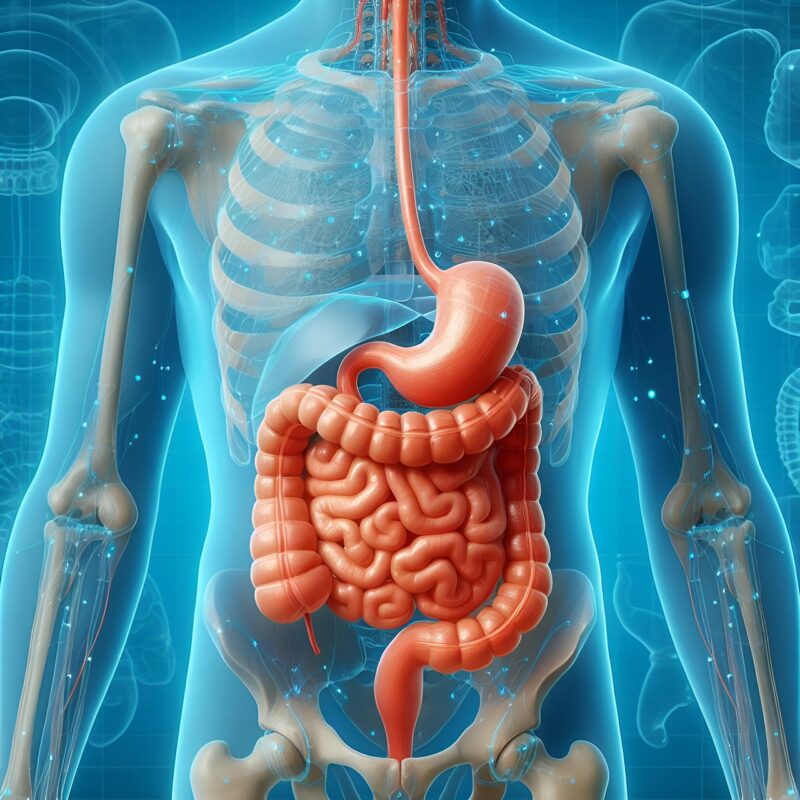
Digestive
- abdominal pain
- gas / bloating
- diarrhea or constipation
- weight gain

Why Does Menopause Affect Every Woman Differently?
If you’ve talked to friends or family about menopause, you’ve probably noticed that no two women have the same experience. One woman may have frequent hot flashes but sleep well, while another struggles with insomnia, anxiety, and brain fog. Some women have very few symptoms, while others find that menopause has a significant impact on their work, relationships, and quality of life. This wide variation is completely normal and is one of the reasons menopause can be so confusing. It can also make finding relief from menopausal symptoms so daunting.
One reason for these differences is that hormone levels don’t decline in the same way for every woman. During perimenopause, estrogen and progesterone can fluctuate dramatically from month to month—or even day to day. Some women experience a gradual transition over several years, while others notice more sudden changes. Genetics also play an important role, influencing how sensitive your body is to changing hormone levels and how long symptoms may last.
Your overall health and lifestyle also influence how you experience menopause. Stress, sleep quality, nutrition, physical activity, body weight, and existing medical conditions can all affect the severity of symptoms. For example, chronic stress may make hot flashes feel more intense, poor sleep can worsen brain fog and mood changes, and joint pain may become more noticeable if arthritis is already present. Even environmental factors, such as smoking or certain medications, can influence how your body adapts to declining estrogen.
Because menopause affects every woman differently, there is no single menopause treatment that works for everyone. The best approach begins with understanding your unique symptoms, health history, and goals. Whether you’re primarily dealing with hot flashes, headaches, digestive changes, anxiety, insomnia, or joint pain, treatment should be tailored to your individual needs rather than based on a one-size-fits-all approach. This is why a personalized natural menopause treatment plan—one that may include lifestyle changes, nutrition, hormone therapy, acupuncture, or other complementary therapies—often provides the best results.
While menopause can’t be avoided it doesn’t have to be suffered through. There are plenty of options for supporting your body through the transition. Advocate for yourself and persevere until you find the help you need.
How Menopause Changes Over Time
Menopause isn’t a single event—it’s a gradual transition that unfolds over several years. Most women move through three stages: perimenopause, menopause, and postmenopause. During perimenopause, the ovaries begin producing less estrogen and progesterone, but hormone levels don’t decline in a straight line. Instead, they fluctuate unpredictably, which is why symptoms can come and go or change from month to month. You may have weeks where you feel completely normal, followed by periods when hot flashes, poor sleep, mood changes, or headaches suddenly become more noticeable.
Once you’ve gone 12 consecutive months without a menstrual period, you’ve reached menopause. At this point, estrogen levels have declined significantly, but that doesn’t necessarily mean symptoms disappear overnight. For many women, hot flashes and night sweats gradually improve over the next few years. However, other changes—such as vaginal dryness, decreased bone density, changes in cholesterol levels, and an increased risk of heart disease—may become more important after menopause because they are linked to the long-term effects of lower estrogen levels.
It’s also important to remember that your menopause journey is unique. Symptoms often evolve over time, and the challenges you face at age 45 may be very different from those at age 55 or 65. Understanding where you are in the transition can help you choose the most appropriate menopause treatments and lifestyle strategies. As your body changes, your treatment plan should change with it, focusing not only on relieving current symptoms but also on supporting your long-term health and quality of life.
Natural Ways to Manage Menopause Symptoms
While menopause is a natural stage of life, the symptoms don’t have to be something you simply endure. There is no single solution that works for every woman, but research shows that a combination of healthy lifestyle habits, good nutrition, regular exercise, and evidence-informed complementary therapies can make a meaningful difference. The best results are often achieved by taking a whole-body approach—supporting your hormones while also improving sleep, reducing stress, maintaining muscle and bone health, and protecting your long-term wellbeing. Your health care provider should be willing to help you explore some of these natural menopause treatment options.
Lifestyle
Small changes to your daily habits can have a surprisingly large impact on menopause symptoms. Prioritizing quality sleep, managing stress, avoiding smoking, limiting alcohol, and identifying personal triggers for hot flashes—such as spicy foods, caffeine, or overheating—may help reduce the frequency and severity of symptoms. Establishing a consistent daily routine also supports your body’s natural circadian rhythm, which can improve sleep, mood, and energy levels. Lifestyle changes may not eliminate symptoms completely, but they provide a strong foundation for overall health during and after menopause.
Nutrition
The foods you eat play an important role in supporting your body through menopause. A balanced diet rich in vegetables, fruits, whole grains, lean proteins, healthy fats, and calcium-rich foods helps maintain energy, support muscle and bone health, and reduce the risk of heart disease. Many women also benefit from eating enough protein to preserve muscle mass, increasing fibre to support digestive health, and staying well hydrated. While no single food can provide relief from menopausal symptoms, a nutritious diet can help reduce inflammation, stabilize blood sugar levels, and support your body’s ability to adapt to changing hormone levels.
Exercise
Regular physical activity is one of the most effective ways to support your health during menopause. Exercise helps maintain bone density, preserve muscle strength, improve balance, reduce the risk of heart disease, and support a healthy body weight. It can also improve sleep, reduce anxiety and stress, and boost mood by stimulating the release of natural feel-good chemicals in the brain. A well-rounded exercise program should include aerobic activity, strength training, flexibility, and balance exercises. Even moderate activity, such as walking, resistance training, yoga, or tai chi, can provide significant benefits when performed consistently and should be part of every menopause treatment plan.
Acupuncture
Acupuncture has become an increasingly popular complementary therapy for women experiencing menopause symptoms. Research suggests that acupuncture for menopause may help reduce the frequency and severity of hot flashes, improve sleep quality, decrease stress and anxiety, and relieve headaches and joint pain in some women. While researchers are still studying exactly how acupuncture works, it is thought to influence the nervous system, regulate pain pathways, and affect the release of hormones and neurotransmitters involved in temperature regulation, mood, and sleep. As with many natural therapies, acupuncture is most effective when combined with healthy lifestyle habits and a personalized treatment plan based on your individual symptoms and health goals.
If you’re seeking menopause relief in Calgary, consider exploring the benefits of acupuncture. Acupuncture is a unique medical system with its own diagnostic and treatment systems. It is more than just needles. Visit me at Westwinds Massage & Wellness, located in NE Calgary. Together, we can explore how menopause is affecting your life and create a treatment plan tailored just for you.
Schedule Your Appointment
Ready to explore how acupuncture and Traditional Chinese Medicine can support your health and well-being? Make an appointment for a consultation or intake appointment using our online appointment scheduling tool.

