Being told you have osteoporosis, or “low bone density,” can feel frightening. Many women hear the diagnosis, leave the appointment with a prescription or a pamphlet, and still have many unanswered questions. What does this mean for my future? Am I going to break a bone? What can I actually do about it?
The good news: osteoporosis is manageable. Bone is living tissue that is constantly being rebuilt, and there is a great deal you can do to protect it. As a Doctor of Acupuncture who works with women through every stage of menopause, I want to help you understand what is happening and show you where acupuncture and Traditional Chinese Medicine (TCM) can fit into a complete bone-health plan alongside your medical care.
What Is Osteoporosis?
Osteoporosis is a condition in which bones lose density and their internal structure weakens, so they break more easily. It is often called a “silent” disease because there are usually no symptoms until a bone fractures, most commonly in the wrist, spine, or hip. More than 2 million Canadians live with osteoporosis.
Bone density is measured with a bone mineral density (BMD) scan, also called a DXA scan. A T-score of -2.5 or lower meets the World Health Organization definition of osteoporosis. A score between -1 and -2.5 is called osteopenia, or low bone mass. It is a warning sign, and a very good time to act.
Why Menopause Matters for Your Bones
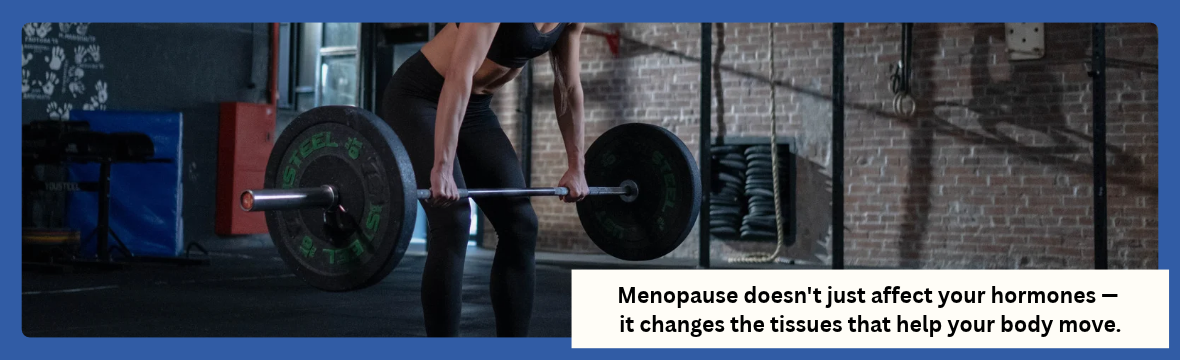
Estrogen is a key protector of bone. It helps keep the cells that break down old bone, called osteoclasts, in check. When estrogen falls during perimenopause and menopause, bone is removed faster than it is rebuilt. Women lose bone mass most rapidly in the years around their final period, which is why this is such an important window for prevention.
Osteoporosis is another example of how menopause affects the whole body. Menopause is more than just hot flashes and sleep. Learn more about the bigger picture; read my complete guide to menopause and perimenopause.
Risk Factors
Your risk of developing osteoporosis is higher if you have:
- a previous fracture after age 40, or a parent who fractured a hip
- early menopause (before 45) or long gaps without periods
- low body weight or a small frame
- smoking or heavy alcohol use
- long-term use of corticosteroids (such as prednisone)
- low calcium or vitamin D intake
- low physical activity throughout your 20s & 30s
- conditions affecting absorption or hormones, such as celiac disease, thyroid disease, or rheumatoid arthritis
Just Diagnosed? Your First Steps
- Ask about your 10-year fracture risk. Canadian guidelines recommend combining your bone density result with a risk tool called FRAX. Your fracture risk, not your T-score alone, helps decide whether medication is recommended.
- Talk through medication options with your doctor. Bisphosphonates and similar drugs can lower fracture risk. Discuss benefits, side effects, and how long to take them, and never stop a bone medication without medical guidance.
- Start strength and balance training. Osteoporosis Canada recommends progressive resistance training, balance, and functional training more than twice a week to protect bone strength and prevent falls.
- Check your nutrition. Aim to meet your calcium needs mainly through food. Health Canada and Osteoporosis Canada suggest at least 400 IU of vitamin D daily as a supplement, with a recommended total of 600 IU a day for ages 51 to 70 and 800 IU after 70. Protein matters too.
- Reduce fall risk. Check your vision, footwear, home lighting and any medications that cause dizziness.
- Build your team. The best results come from a doctor, pharmacist, physiotherapist or kinesiologist, dietitian, and complementary providers working in the same direction.
How Acupuncture and TCM Can Help
Let me be clear: acupuncture is not a replacement for your bone-density medication, exercise and good nutrition. It is a supportive therapy that may help in several ways.
What the research shows. A 2025 network meta-analysis of 30 randomized trials (2,342 women with postmenopausal osteoporosis) found that several acupuncture-related therapies, used alone or alongside conventional medication, performed better than conventional medication alone on overall clinical effectiveness. The authors concluded acupuncture may be a useful alternative or supplementary therapy. A separate 2025 meta-analysis of 28 trials (2,758 participants) found acupuncture to be a safe and effective add-on for osteoporosis, with the clearest benefit in postmenopausal women. Reported side effects were minor, mostly bruising and mild discomfort.
An honest note. Many of these trials were small, conducted in China, and of variable quality, and the authors call for better studies. Acupuncture should be viewed as a complement to, not a substitute for, standard care.
How I use acupuncture to help manage osteoporosis:
- Pain relief. Spinal compression fractures and osteoporosis-related back pain can limit movement. Easing pain helps you stay active, and activity is what builds bone.
- Sleep, stress, and hot flashes. Poor sleep and chronic stress affect hormones and recovery. Acupuncture can help with insomnia, anxiety, and vasomotor symptoms, all part of the same menopausal transition. See my pages on acupuncture for menopause and insomnia relief.
- Muscle and joint support. Muscle loss and joint pain are common after menopause. Cupping, gua sha, and massage at Westwinds can ease tension so exercise feels more comfortable. See musculoskeletal symptoms of menopause.
- Whole-person support. In TCM, the Kidney system is said to govern the bones, and bone weakness is understood as a depletion of Kidney essence, often alongside Spleen (digestion and nutrient absorption) imbalance. Treatment may include points such as Zusanli (ST36), Shenshu (BL23), Guanyuan (CV4), and Sanyinjiao (SP6), which are the points most often used in osteoporosis research. Dietary and lifestyle guidance based on your own pattern rounds out the plan.
Safety note: if you take blood thinners, have a pacemaker, or have recently had a fracture, tell me at intake so I can adapt your treatment.
Frequently Asked Questions
No. Current evidence suggests it may be a helpful supportive therapy, particularly for pain, sleep, and overall wellbeing, and some trials report improved bone density. It should be used alongside medical care, exercise, and nutrition.
Acupuncture is generally considered safe when performed by a qualified practitioner. Needles are very fine and are not placed with force on bone. Please let me know about fractures, medications, or other conditions.
You and your doctor decide that based on your fracture risk. Do not stop or change prescribed medication on your own.
Weight-bearing and resistance exercise, plus balance work. Walking is a great start, and strength training is essential. A physiotherapist or certified exercise professional can tailor a safe program, especially after a fracture.
Many women notice better sleep, less pain, and more energy within several weeks. Changes to bone density take much longer and are measured with repeat scans, usually every one to three years as your doctor advises.
Ready to Feel Better?
Ready to explore how acupuncture and Traditional Chinese Medicine can support your health and well-being? Make an appointment for a consultation or intake appointment using our easy online appointment scheduling tool.
Sources
Osteoporosis Canada, Clinical Practice Guideline for Management of Osteoporosis and Fracture Prevention in Canada: 2023 Update (CMAJ 2023;195:E1333-E1348). Deng B et al., Front Med 2025, doi:10.3389/fmed.2025.1483819. Teng et al., Front Endocrinol 2025, doi:10.3389/fendo.2025.1561344. Yu G et al., Front Endocrinol 2025, doi:10.3389/fendo.2025.1617154.

