


Understanding the benefits, limitations and alternatives to corticosteroid injections for shoulder injuries.
Sometimes, despite our best efforts to stay active, exercise regularly and take care of our bodies, injuries happen. I’ve been dealing with shoulder and knee issues for most of this year. I have no idea what I did to injure my shoulder. Chalk it up to yet another symptom of menopause and the effects of estrogen on muscles and joints. Eventually I decided it was time to get a little help from modern medicine.
I recently found myself on the receiving end of a cortisone injection for a shoulder problem. As someone who works in the health and wellness field, I found myself interested not only in the potential benefits but also in the science behind the treatment, how it works, and what the longer-term implications might be.
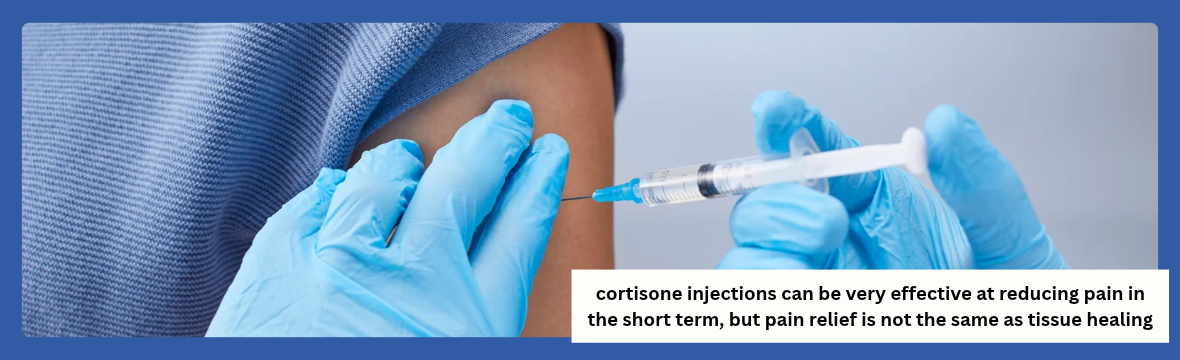
Cortisone injections are commonly recommended for shoulder pain, rotator cuff injuries, bursitis and many other musculoskeletal conditions throughout the body. Many people have experienced the relief they can provide, while others have concerns about the potential risks, particularly when injections are repeated.
So, what exactly is a cortisone shot? Does it actually help an injured shoulder heal, or does it simply mask the pain? And are there other options worth considering? Let’s take a closer look at what the research tells us.
What exactly is a cortisone injection?
Despite being commonly called a cortisone shot, the medication used is generally a synthetic corticosteroid, such as triamcinolone or methylprednisolone. Corticosteroids are medications that mimic the effects of cortisol, a hormone naturally produced by our adrenal glands.
Corticosteroids have powerful anti-inflammatory properties. They work by suppressing the body’s inflammatory response, reducing the production of inflammatory chemicals and limiting the activity of immune cells involved in inflammation. This is important because inflammation, while a normal and necessary part of the body’s healing process, can sometimes become excessive or persistent. When inflammation develops around a joint, tendon or bursa, it can contribute to pain, swelling and restricted movement.
A cortisone injection delivers the medication directly into or around the affected area. This allows a relatively concentrated dose to act locally, rather than relying on medication circulating throughout the body as happens with oral steroids.
In many cases, the injection also contains a local anaesthetic, such as lidocaine. This provides some immediate numbing and can help distinguish the immediate effect of the anaesthetic from the slower-acting effect of the corticosteroid.
It is important to understand that corticosteroids reduce inflammation and associated symptoms; they do not directly repair damaged tissue, regenerate tendons or reverse structural changes.
How is a cortisone injection administered?
The shoulder is a complex joint, and not all shoulder injections are administered in the same location. The appropriate injection site depends on the underlying diagnosis and the structures contributing to the pain.
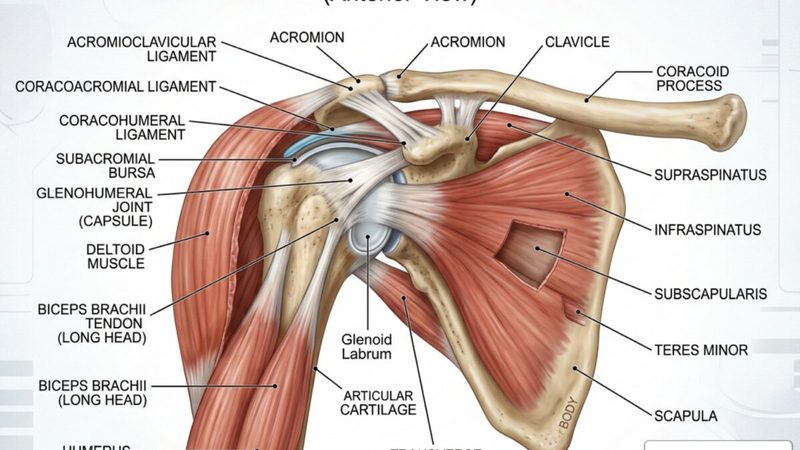
For example, an injection may be delivered into the subacromial bursa, a small fluid-filled sac that helps reduce friction between the rotator cuff tendons and the surrounding bone. This is commonly used for rotator cuff-related shoulder pain and subacromial bursitis.
Alternatively, the medication may be injected directly into the glenohumeral joint, which is the main ball-and-socket joint of the shoulder. This approach is more commonly used for conditions such as frozen shoulder or arthritis. Other injections may target the acromioclavicular joint or the area around the long head of the biceps tendon.
The procedure is generally performed at an imaging clinic such as Pureform Radiology, EFW Radiology or Canada Diagnostic Centres. After cleaning the skin, the practitioner inserts a needle and delivers the medication into the intended location. Depending on the injection site and the practitioner’s preference, ultrasound guidance may be used to visualize the underlying structures and help position the needle accurately.
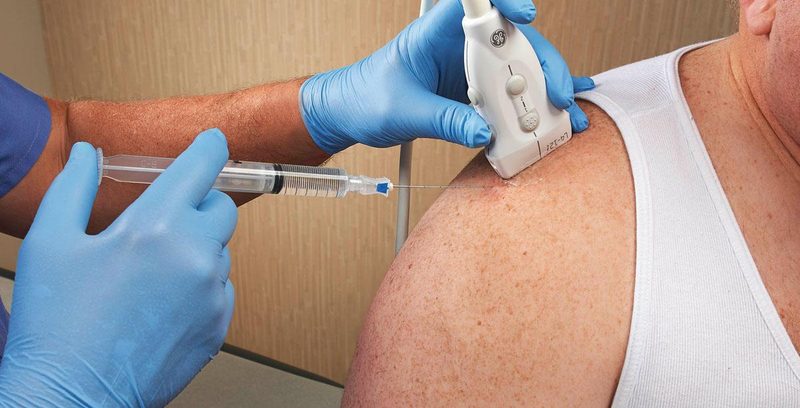
I had two injections. One (in my biceps tendon) was ultrasound guided, similar to the image above. The other (my subacromial bursa) was done with fluoroscopic guidance. An x-ray was used to get an image of the bursal space, then repeated images were taken as the needle was put in place and the steroid solution was injected. The needle and solution both showed up on the x-ray images allowing the doctor to get the fluid in the right spot. Super cool to watch!
The procedure itself is usually relatively quick. Some people experience immediate relief from the local anaesthetic, although the corticosteroid generally takes several days to begin producing its full effect.
Why are cortisone injections used for shoulder pain?
Shoulder pain can arise from a number of different structures, including muscles, tendons, bursae, ligaments and the joint itself. The shoulder is a pretty complicated structure allowing us lots of movement. However, the trade-off for lots of mobility is a lack of stability and the joint structures are easily injured.
Common conditions for which corticosteroid injections may be considered include:
- Rotator cuff tendinopathy and tears: The rotator cuff is a group of four muscles and their tendons that help stabilize and move the shoulder. Tendon irritation, degeneration and tears can cause pain, weakness and difficulty lifting the arm.
- Subacromial bursitis: Inflammation of the bursa can contribute to pain, particularly when raising the arm or reaching overhead.
- Shoulder impingement: This describes a pattern of shoulder pain associated with irritation or compression of structures beneath the acromion, often involving the rotator cuff tendons and bursa.
- Frozen shoulder (adhesive capsulitis): Inflammation and thickening of the joint capsule can result in significant pain and progressive restriction of shoulder movement.
- Osteoarthritis: Degeneration of the joint surfaces can cause pain, stiffness and reduced mobility.
The primary purpose of an injection is to reduce pain and inflammation sufficiently to improve comfort and function. For someone who is struggling to sleep, dress, reach overhead or participate in rehabilitation, even temporary relief can make a meaningful difference.
An injection may also create an opportunity to participate more comfortably in physiotherapy or a prescribed exercise program. The steroid injection does not heal the inflamed or injured tendons. It just reduces swelling and pain making movement easier again. Rest and proper exercises are needed to rehabilitate the joint for lasting relief and function.
Does a cortisone injection actually work?
The short answer is yes, but with some important qualifications.
Research supports the use of corticosteroid injections for short-term relief of certain shoulder conditions. However, the evidence is considerably less convincing when it comes to long-term benefits.
A 2025 clinical practice guideline published in the Journal of Orthopaedic & Sports Physical Therapy reviewed the evidence for treating rotator cuff tendinopathy, including partial-thickness tears. It concluded that corticosteroid injections may reduce pain and short-term disability, but should not be considered a first-line treatment. The guideline also recommended ultrasound guidance for subacromial injections when available.
The evidence suggests that the greatest benefit generally occurs during the first few weeks, with improvements potentially lasting up to approximately eight weeks. Beyond that period, the advantages become much less consistent.
One particularly interesting study is the GRASP trial, a large randomized controlled trial published in The Lancet in 2021. Researchers examined the effects of corticosteroid injections and exercise-based physiotherapy in people with rotator cuff disorders. Although participants receiving an injection experienced some early improvement, there was no meaningful difference in shoulder pain and function over the 12-month follow-up period between those who received an injection and those who did not.
The American Academy of Orthopaedic Surgeons’ 2025 guidelines similarly support the use of a single corticosteroid injection, combined with local anaesthetic, for short-term improvement in pain and function in people with rotator cuff injuries.
Taken together, these findings suggest that cortisone injections can be useful, particularly when pain is interfering with daily activities or preventing rehabilitation. However, they are not a long-term solution for most rotator cuff-related problems.
Perhaps the most important takeaway is that reducing pain does not necessarily mean the underlying injury has healed. A tendon that is partially torn or structurally compromised does not become repaired simply because the surrounding inflammation has settled. Rehabilitation and appropriate management of the underlying injury remain important.
What are the potential risks and side effects?
Cortisone injections are generally considered safe when appropriately administered, and serious complications are uncommon. However, they are not without risks.
It is helpful to distinguish between temporary side effects and potential longer-term concerns.
Temporary pain flare: Some people experience increased pain, swelling or irritation in the first 24–48 hours after an injection. This is sometimes called a cortisone flare. It generally resolves within a few days.
Skin and soft tissue changes: Occasionally, the injection can cause localized thinning of the skin or underlying fatty tissue. The skin may become lighter in colour, or a small indentation may develop around the injection site. These changes can sometimes be permanent.
Elevated blood glucose: Corticosteroids can temporarily increase blood sugar levels. This is particularly relevant for people with diabetes, who may need to monitor their glucose more closely following an injection.
Infection: Although rare, infection can occur when bacteria enter the joint or surrounding tissues during the procedure. Increasing pain, redness, warmth, swelling or fever following an injection should be assessed promptly.
Tendon weakening and rupture: This is one of the more important considerations when treating shoulder injuries. Laboratory and clinical evidence suggests that corticosteroids can adversely affect tendon cells and collagen production, potentially reducing tendon strength. There is concern that repeated injections, or injections placed directly into or very close to a compromised tendon, may increase the risk of tendon damage or rupture.
Effects on cartilage and bone: Repeated corticosteroid injections may adversely affect joint cartilage and surrounding tissues. The extent of this risk depends on the medication, dose, injection location and frequency.
Is it safe to have more than one injection?
This is where the research warrants particular attention.
In the past, repeated cortisone injections were commonly used to manage persistent musculoskeletal pain. However, there is growing recognition that repeated exposure to corticosteroids may compromise the health of tendons and other connective tissues.
The 2025 American Academy of Orthopaedic Surgeons guideline specifically notes that multiple steroid injections may compromise rotator cuff integrity and potentially affect the outcome of future surgical repair.
This does not mean that a second injection is never appropriate. Rather, the decision should take into account the diagnosis, response to the first injection, the condition of the surrounding tissues and other available treatments.
Repeated injections should not simply become a way of managing recurring pain without investigating why the problem continues.
What are the alternatives to cortisone injections?
An injection is only one tool in the management of shoulder pain. Depending on the underlying condition, there are several other approaches worth considering.
Physiotherapy and therapeutic exercise
For many shoulder conditions, progressive exercise and rehabilitation are among the most important components of recovery. A properly designed program can improve shoulder mobility, strengthen the rotator cuff and surrounding musculature, improve scapular control and gradually restore function.
The exercises need to be appropriate for the injury. Someone with a significant tendon tear, for example, should not simply follow a generic shoulder-strengthening routine.
Activity modification
Temporarily reducing activities that aggravate the shoulder can help prevent repeated irritation. This does not necessarily mean complete rest. In many cases, maintaining comfortable movement while avoiding excessive loading is preferable to immobilizing the shoulder.
Anti-inflammatory medications
Non-steroidal anti-inflammatory drugs (NSAIDs), such as ibuprofen or naproxen, may provide short-term relief for some people. These medications have their own risks, including gastrointestinal, kidney and cardiovascular concerns, and are not suitable for everyone.
Acupuncture
Acupuncture may be considered as part of a multimodal approach to managing shoulder pain. Research suggests it may provide some short-term improvement in pain and function for certain musculoskeletal conditions. Acupuncture can help relax muscles which reduces stress on the joint. It can also help reduce pain. For more information about acupuncture check out this article on Acupuncture for sprains & strains.
It is important to recognise that acupuncture does not repair a torn tendon or reverse structural damage. Its potential role is in symptom management, improving comfort and supporting participation in an appropriate rehabilitation program.
Manual therapy and soft tissue treatment
Depending on the diagnosis, gentle manual therapy may help address associated muscle tension, movement restrictions and discomfort. Treatment should be adapted to the injured structures, particularly when a tendon tear or significant inflammation is present.
Platelet-rich plasma (PRP)
PRP involves collecting a person’s own blood, processing it to concentrate platelets and injecting the resulting preparation into the affected area. Platelets contain growth factors involved in tissue repair, which has led to interest in PRP as a potential treatment for tendon injuries.
However, the research remains mixed. Although some studies report improvements, results are inconsistent, and PRP has not been established as a reliable alternative to conventional rehabilitation. The 2025 AAOS guideline does not support routine PRP use for rotator cuff tendinopathy or partial-thickness tears.
Surgical consultation
For significant rotator cuff tears, persistent weakness or ongoing functional limitations despite appropriate conservative treatment, surgical assessment may be appropriate. Not every tear requires surgery, and the decision depends on factors such as tear size, severity, functional impairment, activity level and individual goals.
Making an informed decision
Cortisone injections have an important place in modern musculoskeletal care. For someone experiencing significant shoulder pain, they can provide valuable short-term relief and make everyday activities or rehabilitation more manageable.
However, they should be viewed as one component of a broader treatment strategy rather than a cure for the underlying problem.
If you are considering a cortisone injection, some useful questions to ask your healthcare provider include:
- What structure are you injecting, and what is the suspected source of my pain?
- Is the injection intended to provide temporary pain relief or treat a specific inflammatory condition?
- Would ultrasound guidance be beneficial in my situation?
- What are the potential risks given the condition of my tendons?
- What should I be doing after the injection to support recovery?
- What is the longer-term plan if the pain returns?
For me, this experience has been a reminder that managing an injury is rarely about finding one treatment that fixes everything. It is about understanding the problem, weighing the available options and choosing an approach that supports both symptom relief and long-term function.
Sometimes an injection can be a useful part of that process. But the real goal is getting back to moving comfortably, confidently and safely.
Frequently Asked Questions
If a local anaesthetic is included, you may notice immediate relief, but this is temporary. The corticosteroid generally begins working over the next few days, with the full benefit often taking up to a week to develop.
This varies depending on the condition and individual response. Some people experience relief for several weeks or months, while others notice little improvement. Research on rotator cuff-related shoulder pain generally demonstrates the most consistent benefit in the first six to eight weeks.
No. Corticosteroids reduce inflammation and pain but do not repair torn tendon fibres or regenerate damaged tissue. Rehabilitation and, in some cases, surgery may be needed to address the underlying injury.
Relative rest is generally recommended for the first 24–48 hours, although specific advice varies depending on the injection site and condition. Avoid strenuous activity and heavy loading of the affected shoulder until your healthcare provider advises that it is appropriate to resume.
There is no universal safe number that applies to everyone. The decision depends on the joint, diagnosis, medication, dosage and response to previous injections. Repeated injections, particularly around compromised tendons, warrant caution because of concerns about tissue damage.
Yes. However, timing and treatment selection should take into account the injection site, the reason for the injection and your recovery. It is sensible to follow the injecting practitioner’s aftercare instructions and avoid needling directly through the injection site while it is healing.
Medical disclaimer: This article is intended for educational purposes and is not a substitute for individualized medical advice, diagnosis or treatment. Corticosteroid injections should be considered in consultation with an appropriately qualified healthcare provider.
Research Sources
1. 2025 Clinical Practice Guideline – Rotator Cuff Tendinopathy. Journal of Orthopaedic & Sports Physical Therapy. Particularly useful for the recommendations on injections, exercise and ultrasound guidance. DOI
2. 2025 American Academy of Orthopaedic Surgeons – Management of Rotator Cuff Injuries. An important updated guideline discussing short-term benefits of injections and concerns about repeated injections.
3. GRASP Trial (2021). The Lancet. A large randomized trial comparing corticosteroid injections and exercise-based treatment for rotator cuff disorders. PubMed
4. 2025 Multisociety Guidelines on the Use and Safety of Corticosteroid Injections. Published in Regional Anesthesia & Pain Medicine. Particularly useful for understanding injection indications, dosage and safety. BMJ RAPM
5. Mayo Clinic – Cortisone Shots. A useful patient-friendly reference covering the procedure, benefits and potential adverse effects. Mayo Clinic
6. American Orthopaedic Society for Sports Medicine – Cortisone Injections. A good resource for explaining the risks associated with repeated injections. AOSSM
Discover more from Laureen Macintosh Dr.Ac. | Acupuncture | Calgary, AB
Subscribe to get the latest posts sent to your email.

